
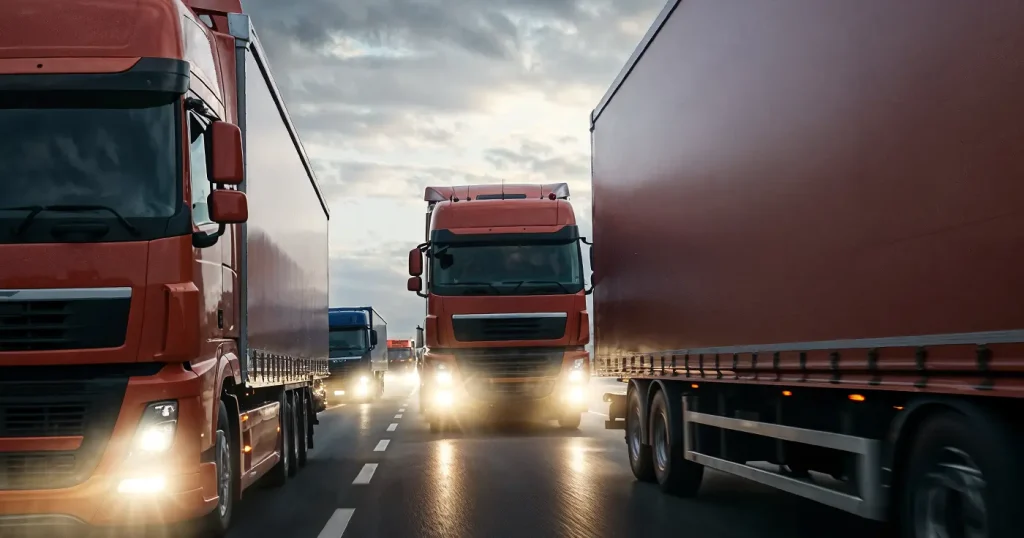
Protecting your fleet against unexpected financial risks requires specialized Towing Insurance tailored specifically for commercial wrecker operations.
What is Towing Insurance
Towing insurance provides specialized commercial auto liability and physical damage protection for businesses operating heavy-duty wreckers. Tow truck insurance coverage is mainly divided into two categories. These include roadside assistance for private drivers and commercial insurance for tow truck companies or repair shops. Towing insurance for private drivers provides roadside assistance, but standard policies do not automatically include this protection in most basic auto insurance plans. Instead, drivers must purchase optional coverage. This can be added as an add-on for Roadside Assistance or Towing and Labor.
Common services include towing the vehicle to the nearest shop, spare tire changes, battery jump starts, door unlocking for locksmith needs, and emergency fuel delivery. Conversely, commercial operations face vastly different daily exposures. PR Risk Management Group is an independent insurance agency since 2007 that compares several carriers to find appropriate policies. Operating across the Chicago area requires substantial financial safeguards. Therefore, logistics managers need robust protection against transit liabilities. Policy terms vary depending on the carrier and underwriting requirements.
Commercial Auto Liability
Commercial auto liability covers third-party bodily injury or property damage caused by your wrecker drivers during daily business operations. Fleet owners must understand strict regulatory requirements. For example, the FMCSA mandates commercial motor vehicles carrying non-hazardous freight to maintain a minimum of $750,000 in liability coverage. Consequently, crossing state lines demands strict adherence to these federal financial responsibility limits. Managing operational risk starts with securing adequate baseline protection. State laws might require different baseline limits for local operations.
Operating heavy machinery involves inherent risks on busy highways. Our agency holds licenses in FL, IL, IN and WI to assist diverse regional transportation businesses. Evaluating your specific trucking insurance needs requires a deep understanding of local traffic dynamics. Illinois roads present unique hazards for heavy transport vehicles. We evaluate your unique route profiles to suggest appropriate coverage limits. However, final coverage offerings remain subject to underwriting approval. Proactive fleet management reduces the frequency of unexpected liability claims significantly.
On Hook Coverage
On hook coverage protects customer vehicles against physical damage while your tow truck is actively towing or hauling them. Transporting another person’s vehicle exposes your business to direct property damage claims. If an accident occurs during transit, this specialized coverage helps mitigate the financial fallout. According to the Illinois Department of Insurance, commercial policies must clearly define the parameters of care, custody, and control. Therefore, logistics managers carefully select limits that reflect the maximum value of hauled vehicles.
Fleet managers frequently transport high-value luxury cars or specialized machinery. Securing appropriate limits prevents devastating out-of-pocket expenses following a transit collision. We frequently assist commercial clients seeking comprehensive commercial bonds insurance alongside their primary towing protections. Furthermore, weather conditions in Aurora often complicate winter recovery maneuvers. Drivers face increased collision probabilities when navigating icy local roads. Maintaining robust active hauling protection preserves your company capital when accidents inevitably happen. Premium calculations depend heavily on your historical loss data.
Garagekeepers Legal Liability
Garagekeepers legal liability provides financial protection for customer vehicles parked or stored at your primary business location. Towing companies regularly store impounded or disabled vehicles overnight in secured lots. This exposure demands specific protection against theft, vandalism, or localized weather events. The SBA advises businesses handling customer property to carry specific liability protections to prevent sudden insolvency. Subsequently, storing multiple vehicles concentrates your risk into a single geographic point. Strong lot security measures might favorably influence your specific underwriting evaluations.
Maintaining a secure storage facility requires continuous monitoring and strict access protocols. Businesses focused on extended vehicle storage also frequently explore warehousing and logistics insurance to protect broader structural assets. Keeping accurate inventory records helps underwriters assess your maximum daily exposure accurately. Implementing robust fencing and surveillance cameras demonstrates proactive risk management to potential carriers. Ultimately, protecting stored customer vehicles preserves your professional reputation within the local community. Carrier guidelines dictate exactly which perils your specific policy covers.
Motor Truck Cargo
Motor truck cargo insurance covers the loss or damage of transported goods and loose freight while on your flatbed. Sometimes towing operators transport construction materials, pallets, or heavy equipment instead of standard passenger vehicles. Standard auto liability does not cover these specialized loads during transit. Therefore, carrying distinct cargo coverage becomes necessary for diversified hauling operations. Claims remain contingent on proper load securement. Drivers must meticulously inspect tie-downs before entering any public roadways to maintain their active policy compliance.
Logistics professionals constantly balance tight delivery schedules against strict safety protocols. Rushing the loading process often leads to devastating cargo spills on busy interstates. If your fleet handles varied industrial deliveries, you need versatile protection. We help clients evaluate their daily load manifests to determine appropriate coverage caps. Businesses operating near the Chicago area frequently haul expensive industrial components. Securing the right policy structure helps keep your business operational after a major freight loss. Final approvals always vary by carrier.
Physical Damage Coverage
Physical damage coverage pays for repairs to your actual tow trucks following a collision or comprehensive event like fire. Heavy wreckers represent massive capital investments for any independent recovery business. Replacing a damaged hydraulic boom system costs tens of thousands of dollars. Protecting these assets ensures business continuity after severe accidents. Furthermore, finance companies typically mandate this coverage if you lease or finance your heavy equipment. Coverage limits generally align with the stated actual cash value of your vehicles.
Routine vehicle maintenance prevents mechanical failures, but it cannot prevent sudden highway collisions. Specialized wrecker parts frequently experience long supply chain delays following an accident. Therefore, having reliable financial support for immediate repairs prevents extended downtime. Our experienced team understands the intricate details of heavy machinery valuation. We work diligently to align your protective measures with your operational goals. Always document custom equipment additions to ensure accurate policy valuations. Premium costs fluctuate based on fleet age and mechanical condition.
Workers Compensation
Workers compensation covers medical expenses and lost wages for your wrecker operators if they suffer work-related injuries. Tow truck drivers face dangerous highway conditions, heavy lifting requirements, and unpredictable weather hazards daily. The Illinois Workers’ Compensation Commission requires most employers to carry this coverage to protect their workforce. Consequently, failing to secure adequate protection risks severe state penalties and devastating civil lawsuits. Protecting your employees ensures a stable, reliable workforce for your critical roadside recovery operations.
Highway recoveries frequently expose drivers to high-speed traffic and hazardous materials. When an employee suffers a severe injury, medical bills accumulate rapidly. Providing comprehensive workers compensation insurance demonstrates strong corporate responsibility. We help local businesses navigate these mandatory state requirements efficiently. Establishing strong internal safety training programs often helps reduce workplace accident frequencies. Carrier safety audits might identify operational weaknesses before catastrophic injuries occur. Policy pricing depends largely on your historical claims experience and specific payroll figures.
General Liability Protection
General liability protection shields your towing business against third-party bodily injury or property damage claims occurring on your premises. Customers regularly visit your impound lots or office spaces to retrieve personal belongings. Slip and fall accidents present a constant threat to your financial stability. This coverage helps pay for medical expenses or potential legal defense costs if a visitor gets hurt. Implementing daily lot inspections reduces these common premise hazards significantly. Claim payouts always depend on policy limits.
Maintaining a clean and organized facility directly impacts your overall liability profile. Ice accumulations during Illinois winters drastically increase the probability of customer falls. You must clear walkways promptly to minimize these obvious physical dangers. We assist fleet owners in securing foundational general liability insurance that addresses localized operational risks. Combining solid premises protection with your commercial auto policies creates a comprehensive safety net. Carrier underwriting guidelines determine the specific exclusions applied to your unique facility layout.
Frequently Asked Questions
How much does heavy duty tow truck insurance cost?
Heavy duty tow truck insurance costs vary significantly based on multiple operational factors and specific carrier underwriting guidelines. Premiums depend heavily on your historical loss runs, the operational radius of your fleet, and the specific actual cash value of your heavy machinery. Additionally, the driving records of your employees heavily influence the final rating. Companies operating in high-density traffic areas typically face higher baseline costs. We cannot guarantee specific prices or savings because every commercial fleet presents a completely unique risk profile to the evaluating underwriters.
Navigating these complex premium calculations requires professional guidance from experienced industry specialists. PR Risk Management Group helps logistics managers understand the specific variables affecting their commercial rates. We analyze your operational data to present options that align with your financial risk tolerance. Proper documentation often streamlines the complicated carrier quoting process.
What exactly does commercial auto liability cover for towing vehicles?
Commercial auto liability covers the financial costs associated with third-party bodily injuries and property damage if your driver causes a collision. This fundamental coverage helps pay for the other party’s medical bills, vehicle repairs, and potential legal judgments against your business. It applies specifically when your heavy wrecker operates on public roadways during normal business activities. However, it does not cover damages to your own equipment or the specific customer vehicle you are actively towing at the time of the incident.
Understanding the exact scope of your liability protection prevents unexpected financial gaps during major accidents. PR Risk Management Group assists fleet owners in selecting appropriate liability limits based on their specific hauling routes. We help evaluate local regulatory demands to structure a compliant commercial portfolio. Proper protection preserves your operational continuity.
Which is the best insurance for wrecker and flatbed tow trucks?
The best insurance for wrecker and flatbed tow trucks combines robust commercial auto liability, physical damage, and specialized on hook protections. There is no single universal policy because operations vary drastically between light-duty flatbeds and heavy hydraulic wreckers. Flatbeds hauling luxury vehicles require significantly higher on hook limits compared to standard repossession operations. The optimal policy structure precisely matches your daily operational exposures, maximum cargo values, and specific contractual requirements with local municipalities or motor clubs. Final coverage effectiveness depends entirely on the specific policy terms.
Building an effective commercial portfolio requires analyzing your specific daily dispatch logs and equipment capabilities. PR Risk Management Group guides operators through the process of tailoring comprehensive protection plans. We review your varied equipment types to suggest targeted endorsements that close potential coverage gaps. Customized strategies protect your specialized capital investments.
How do you insure cargo or towed vehicles in case of an accident?
You insure towed vehicles or loose cargo by purchasing either on hook coverage or motor truck cargo insurance, depending on the freight type. On hook coverage specifically protects the customer vehicles actively attached to your wrecker during transit. Conversely, motor truck cargo insurance protects loose industrial equipment, pallets, or non-vehicle freight transported on a flatbed. Both coverages respond if a collision or rollover damages the hauled items. Claim approvals always remain subject to strict adherence to proper load securement protocols and carrier policy exclusions.
Differentiating between these specialized transit protections remains crucial for diversified logistics operations. PR Risk Management Group helps businesses identify which specific cargo policies match their daily hauling manifests. We ensure your selected limits adequately reflect the maximum potential value of your transported goods. Properly structured transit protection mitigates severe operational risks.
What requirements do insurance companies demand to issue heavy equipment policies?
Insurance companies demand extensive documentation to issue heavy equipment policies, including detailed loss runs, comprehensive driver motor vehicle records, and rigorous maintenance logs. Underwriters require proof of active commercial driver licenses and detailed descriptions of your planned operational radius. Furthermore, carriers often analyze your specific safety training protocols and hiring procedures to assess organizational risk. Companies with documented safety programs and clean driving histories generally present a more favorable profile. Final policy issuance and term conditions depend strictly on the individual carrier underwriting criteria.
Gathering the required underwriting documentation often overwhelms busy dispatchers and fleet owners. PR Risk Management Group streamlines this administrative burden by clearly outlining carrier expectations upfront. We help organize your safety records to present your business professionally to evaluating underwriters. Proactive preparation accelerates the complex commercial quoting timeline significantly.
Is there nationwide insurance coverage for towing and rescue fleets?
Nationwide insurance coverage exists for towing fleets, but securing it requires strict compliance with complex interstate federal regulations and specific carrier capabilities. Operators crossing state lines must obtain appropriate federal operating authority and file mandatory MCS-90 endorsements to verify financial responsibility. Not all commercial carriers possess the licensing footprint or claims infrastructure to support truly nationwide operations. Therefore, multi-state fleets must partner with specific carriers designed for long-haul logistics. Coverage availability heavily depends on the carrier appetite for extended radius heavy wrecker operations.
Expanding your recovery operations across multiple state borders introduces complicated regulatory hurdles. PR Risk Management Group assists growing fleets in navigating these multi-jurisdictional insurance requirements effectively. We match ambitious logistics companies with carriers capable of supporting broad geographic footprints. Strategic planning ensures your coverage scales alongside your expanding business territories.
What happens with the insurance if the tow truck damages a vehicle during transport?
If the tow truck damages a vehicle during transport, your specialized on hook coverage generally responds to pay for the required repairs. The claims adjuster will investigate the incident thoroughly to determine if negligence or improper loading techniques contributed to the damage. Standard commercial auto liability explicitly excludes damage to property in your care, custody, or control. Therefore, lacking specific on hook protection leaves your business fully responsible for the repair costs. Claim settlements are subject to your chosen deductibles and specific policy exclusions.
Mishandling customer property creates immediate operational disruptions and damages your professional reputation. PR Risk Management Group educates operators on how different transit coverages interact during a physical damage claim. We review your standard operating procedures to align them with common carrier securement expectations. Understanding your policy mechanics prevents devastating financial surprises.
Where can I quote affordable insurance for roadside assistance trucks?
You can quote affordable insurance for roadside assistance trucks by utilizing an independent agency that actively compares multiple commercial markets simultaneously. Light-duty service trucks typically face lower hazard exposures than heavy hydraulic wreckers, which alters the underwriting algorithms. However, affordable does not necessarily mean comprehensive. Finding competitive rates requires presenting a clean loss history and utilizing strict driver hiring criteria. We cannot guarantee specific savings or cheap premiums, as final pricing depends entirely on the carrier assessing your unique localized operational risk factors.
Balancing premium costs with adequate operational protection requires strategic market comparisons. PR Risk Management Group leverages its independent status to evaluate diverse programs tailored for roadside service vehicles. We analyze your specific service radius to identify potential efficiencies within carrier rating structures. Thorough market analysis supports sustainable business growth.
Does tow truck insurance cover damages generated during complex rescue maneuvers?
Tow truck insurance covers damages generated during complex rescue maneuvers only if your policy includes specific endorsements for off-road recoveries. Pulling submerged vehicles from lakes or extracting heavy machinery from steep embankments introduces severe specialized risks. Standard policies often exclude damages resulting from these highly hazardous extraction activities. Consequently, operators performing heavy duty recoveries must explicitly disclose these activities during the application process. Final coverage determinations rely heavily on the specific policy language and the precise circumstances surrounding the complex extraction incident.
Engaging in specialized heavy recovery demands equally specialized financial protection strategies. PR Risk Management Group helps specialized operators secure appropriate endorsements for high-risk extraction maneuvers. We review complex carrier exclusions to ensure your daily high-hazard activities remain adequately protected. Transparent communication with underwriters secures reliable operational safety nets.
How does legal defense work in heavy machinery and cargo insurance?
Legal defense works in heavy machinery insurance through a duty to defend clause embedded within most commercial auto liability policies. When a third party files a covered lawsuit against your business, the insurance carrier provides specialized legal representation. The carrier manages the legal strategy and covers the attorney fees associated with defending the claim in court. These defense costs typically apply outside of your primary liability limits. However, the obligation to defend remains strictly contingent upon the lawsuit involving a covered peril under the policy.
Facing complex transportation litigation threatens the survival of any independent logistics business. PR Risk Management Group prioritizes policies that feature robust legal defense provisions for commercial operators. We understand that heavy vehicle collisions frequently trigger aggressive third-party legal actions. Securing strong legal backing allows you to focus on maintaining daily operations.
Request A Quote Today
Ensure your heavy fleet remains secure with proper Towing Insurance by contacting PR Risk Management Group today. Reach out via our contact page to explore comprehensive policy options.
By PR Risk Management Group, independent insurance agency since 2007, licensed in FL, IL, IN and WI.